
Last updated September 10, 2026
Full 25-point door and opener safety check with every visit - springs, cables, rollers, tracks, and your LiftMaster or Chamberlain opener included
You get a price before we start. It does not change when the truck arrives.
 Before
 After
After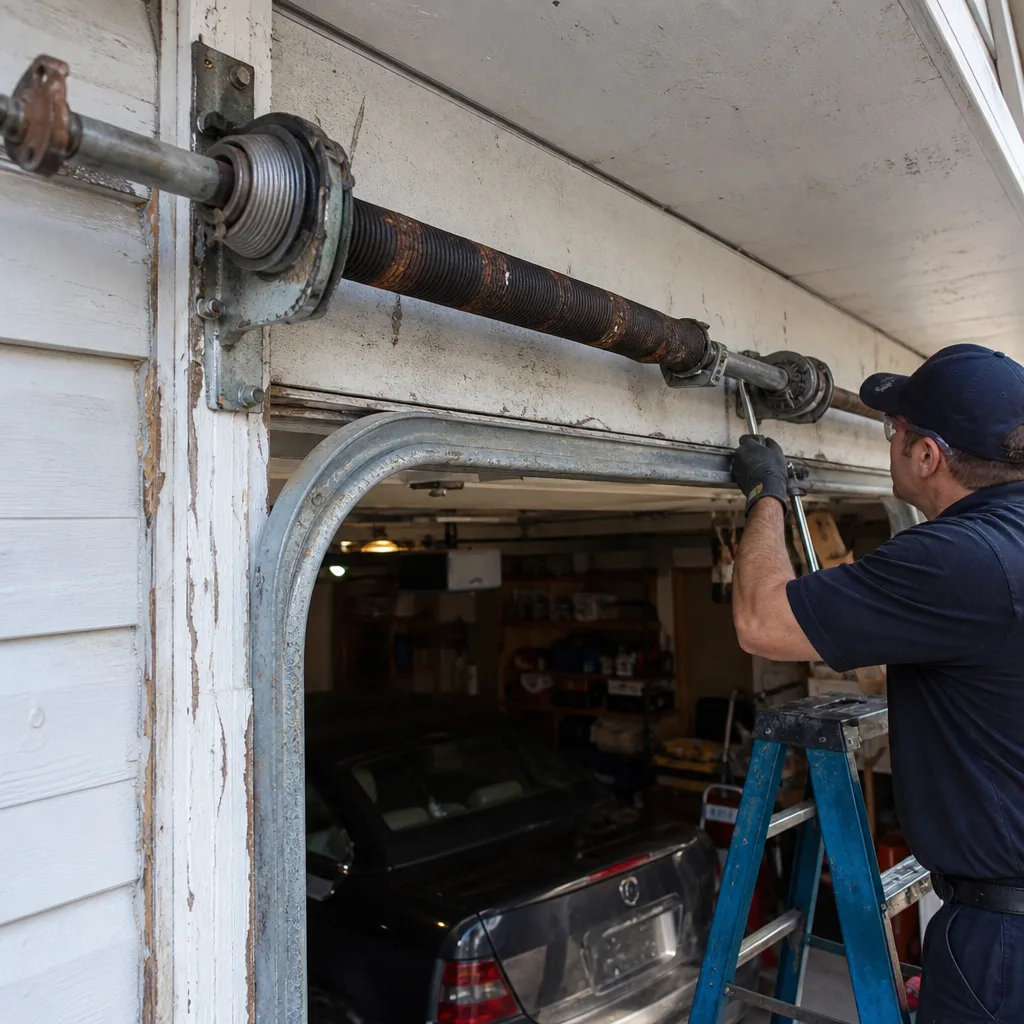 Before
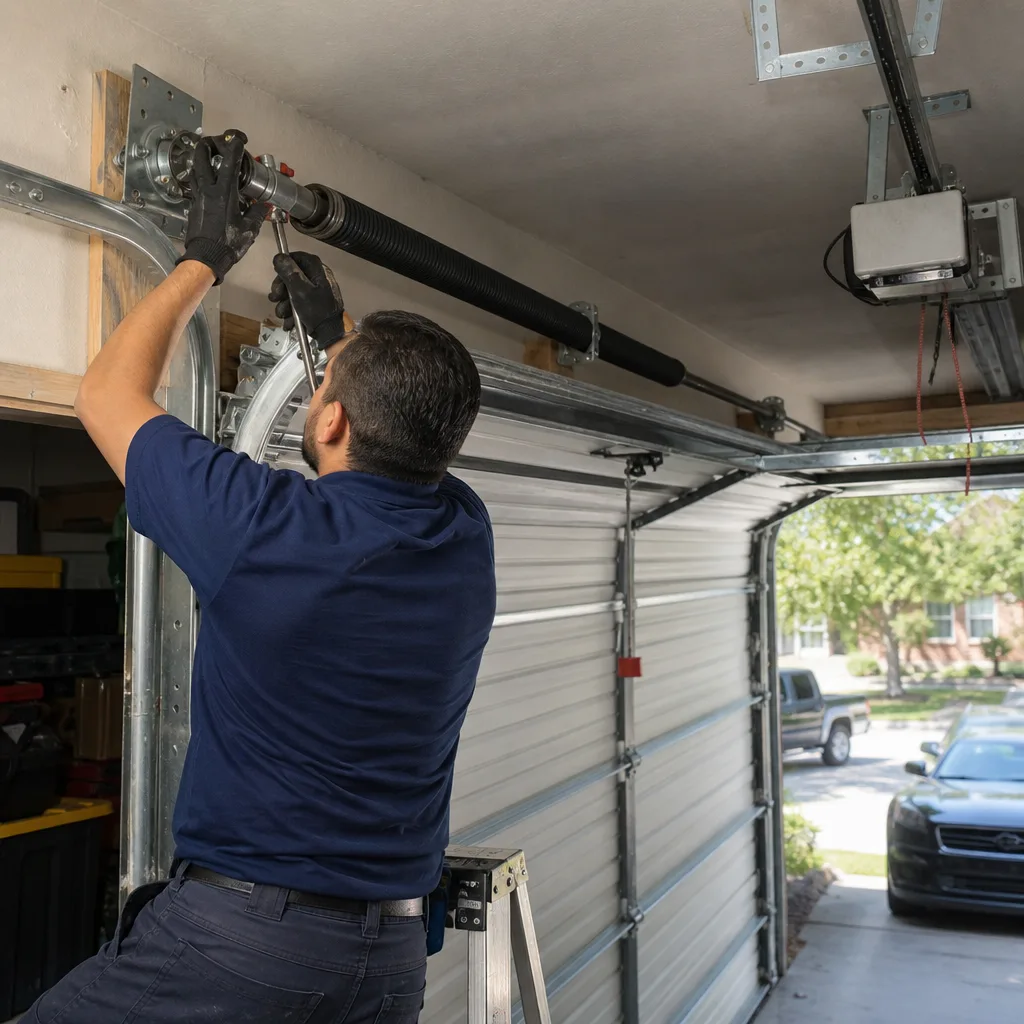 After
After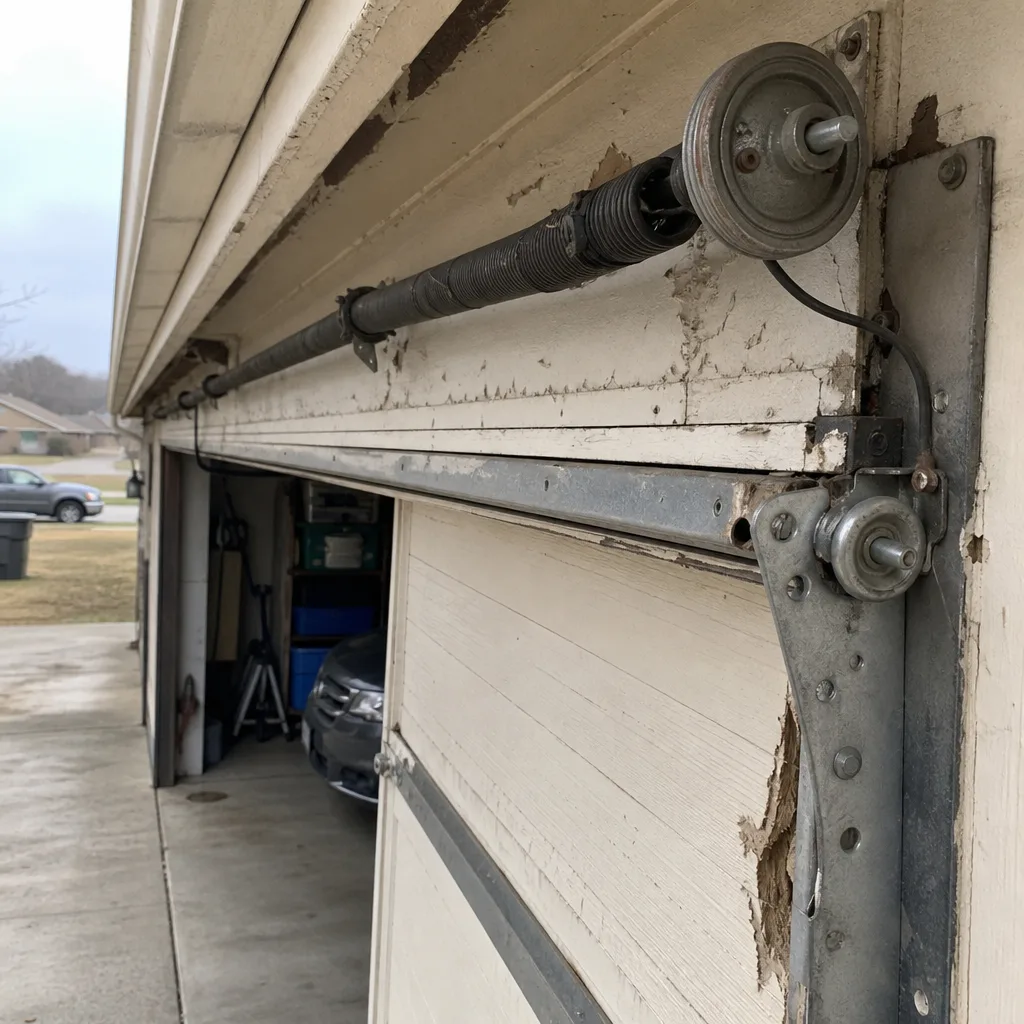 Before
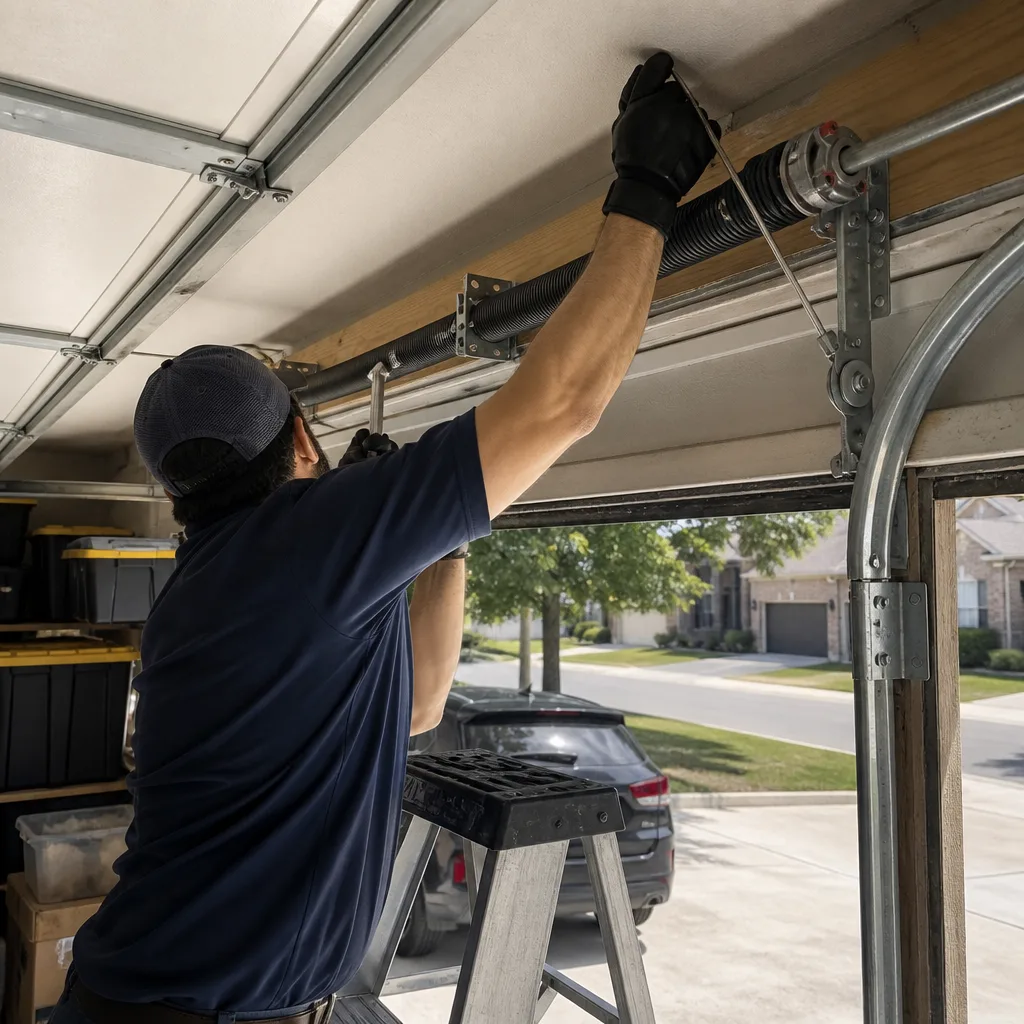 After
AfterGarage Door Permits, Codes & Inspections in TX: What You Need to Know
Most homeowners in Denton assume a spring replacement or opener swap never needs a permit - and they are usually right. But a full door replacement attached to a habitable space can trigger an inspection requirement that, if missed, creates a title problem when the house sells. Texas gives local jurisdictions wide latitude on garage door code enforcement, which means a job permitted in Plano may require a different process entirely in Denton. This guide cuts through the state-level confusion and tells Denton homeowners exactly when a permit is required, how the inspection process works, and what happens if you skip it. For Garage Door Warning Signs: A Denton Homeowner’s Reference Guide, see our companion resource.
Quick Answer
In Denton, Texas, garage door permits are generally required for new installations, structural alterations, and any work that changes the opening dimensions or load-bearing capacity of the wall. Simple repairs like spring replacement, cable repair, or opener swaps on existing doors typically do not require permits. For a complete maintenance schedule, see our Garage Door Repair Maintenance Checklist for Denton Homeowners. When a permit is required, the City of Denton Building Inspections Division issues it, and work must pass inspection before the project is considered complete.
Table of Contents
- When Is a Garage Door Permit Required in Denton?
- Repair vs. Alteration: The Denton Development Code Threshold
- How the Denton Permit and Inspection Process Works
- What Inspectors Actually Check on a Garage Door Installation
- Wind-Load Ratings: Denton County vs. Coastal Texas Zones
- When HOA Covenants Are Stricter Than City Code
- The Real Consequences of Unpermitted Work
- Common Mistakes to Avoid
- When to Call a Professional
- Frequently Asked Questions
- The Bottom Line
When Is a Garage Door Permit Required in Denton?
The City of Denton follows the International Residential Code (IRC) with local amendments, and their Building Inspections Division draws a clear line between maintenance and construction. Understanding where your project falls saves time, money, and potential headaches at closing.
Projects That Typically Require a Permit
- Installing a new garage door where none existed before
- Converting a carport to an enclosed garage with a new door opening
- Widening, narrowing, or raising the existing door opening
- Replacing a garage door on a structure that is attached to the main dwelling and shares a common wall
- Any work involving structural modification to the header, jack studs, or load-bearing framing around the opening
- Installing a new garage on an accessory building that exceeds 200 square feet (per Denton Development Code amendments)
Projects That Typically Do Not Require a Permit
- Spring replacement or tension adjustment
- Cable repair or replacement
- Roller, hinge, or track replacement on existing hardware
- Opener repair, replacement, or programming on an existing door
- Panel replacement on a sectional door (when the opening and hardware remain unchanged)
- Weatherstripping, bottom seal, or safety sensor adjustment
The distinction matters because Denton’s permit fees are calculated based on project valuation, and pulling a permit you do not need wastes money. More importantly, skipping a required permit can trigger a stop-work order and complicate your home sale years later. In our experience across Denton neighborhoods from Oakmont to Southridge, the most common point of confusion is the attached garage rule. Homeowners with detached garages often assume the same permit rules apply, but detached structures under 200 square feet frequently fall outside permitting requirements for door work alone.
Climate enters the picture too. Denton’s position in the southern Great Plains means our garage doors face wide temperature swings, hail, and occasional severe wind events. Code requirements for wind resistance and insulation value reflect this reality, and inspectors verify that replacement doors meet the standards for this specific climate zone.
Repair vs. Alteration: The Denton Development Code Threshold
The Denton Development Code does not use the word “repair” in the way homeowners typically do. For permitting purposes, the critical question is whether the work constitutes an “alteration” that affects structural integrity, egress, or safety systems.
Plain-Language Examples
Repair (no permit): Your 14-year-old Clopay door in Robson Ranch has a broken torsion spring. We remove the old spring, install a new one of matching size and cycle rating, and test the door balance. The opening, header, and hardware remain exactly as they were. No permit required.
Repair (no permit): Your LiftMaster opener in Cooper Crossing fails. We disconnect the old unit, mount a new Chamberlain or Genie of similar horsepower on the same bracket, and program remotes. The door itself and its attachment to the structure do not change. No permit required.
Alteration (permit required): You want to replace your single 8-foot door in Denia with a double 16-foot door to accommodate a new truck. This requires removing the center post, installing a longer header capable of spanning the wider opening, and reframing the jambs. The structural load path changes. Permit required.
Alteration (permit required): Your 1987 home in Oakmont has a non-insulated steel door with no wind-load rating. You want to install a new Raynor door rated for 120 MPH wind load to satisfy your insurance company’s requirements after a hail claim. Because the new door introduces a different structural demand on the framing and hardware, and because the installation method may change, Denton considers this an alteration. Permit required.
The 2001 International Residential Code introduced significant changes to garage door wind-load requirements, and Denton adopted these provisions in subsequent code cycles. Homes built before 2001 often have doors installed to earlier, less stringent standards. Replacing them with modern code-compliant units frequently triggers the alteration threshold even when the opening size stays the same.
How to Determine Your Project Category
- Measure your existing opening and photograph the header and jambs
- Note the age of your home and any previous permits on file with the city
- Describe the exact scope: same size door or different? Same hardware or upgraded? Same opener mount or new bracket system?
- Contact Denton Building Inspections at (817) 623-1087 with these details, or have your contractor verify requirements before work begins
At Mainspring Garage Door Co., we check permit requirements as part of every replacement quote in Denton. It is part of quoting the flat price upfront - we do not want you surprised by a permit fee or inspection delay after work starts.
How the Denton Permit and Inspection Process Works
The City of Denton uses an online permitting system through the Denton Development Services Department, with in-person support available at the Development Services Center on East Hickory Street. For garage door projects, the process follows a predictable sequence, though timing varies by season and inspector availability.
Step-by-Step Permit Process
- Prepare documentation: You’ll need a site plan showing the structure location, a description of the work, the door specifications including wind-load rating and manufacturer, and the contractor’s license and insurance information if applicable.
- Submit application: Online submission is preferred. The permit fee for a garage door alteration on a residential structure typically runs $50-$150 depending on project valuation, with a separate plan review fee if structural drawings are required.
- Plan review: Simple door replacements may receive same-day or next-day approval. Projects involving header changes or structural calculations require staff review, typically 3-5 business days in Denton.
- Permit issuance: Once approved, you receive a permit card that must be posted at the job site.
- Schedule inspections: Denton requires at minimum a final inspection for garage door installations. Some projects trigger additional inspections: framing inspection if structural members are modified, and electrical inspection if new wiring or circuits are added for the opener.
- Pass inspection and receive approval: The inspector signs off, and the permit is closed. This closed permit record is what title companies verify during home sales.
Typical Turnaround Times
In our experience, straightforward garage door replacements in Denton move through permitting in 3-7 business days total, assuming the homeowner or contractor submits complete documentation on the first try. Incomplete applications are the most common source of delay. Missing wind-load documentation, incorrect project valuation, or contractor insurance lapses all trigger rejection and resubmission.
Peak construction season in Denton, roughly March through October, stretches inspector availability. Scheduling your final inspection may take 2-3 days during busy periods versus next-day availability in January or February. We factor this into our project timelines and communicate it clearly when quoting work that requires permitting.
What Inspectors Actually Check on a Garage Door Installation
Denton building inspectors are not garage door specialists. They are generalist code enforcement professionals who verify that installations meet the adopted IRC and local amendments. Knowing what they examine helps you prepare and helps your contractor deliver work that passes on the first visit.
Structural Elements
- Header size and span: Does the beam above the opening carry the load properly for the width? Inspectors reference IRC span tables or engineered drawings.
- Jack and king studs: Are there adequate supporting studs on each side of the opening, properly fastened and bearing on the sole plate?
- Attachment to structure: Are jambs secured to framing with appropriate fasteners at specified intervals?
- Load transfer: Does the installation maintain the original structural load path, or if modified, is it engineered correctly?
Door and Hardware Specifications
- Wind-load rating: Does the door bear a label showing compliance with the wind speed requirement for Denton County? The current requirement is 115 MPH for Risk Category II residential structures, though specific exposure and site conditions may modify this.
- Impact rating: If the door faces a public way or the garage is habitable space, impact resistance may be verified.
- Track and spring sizing: Are components rated for the door weight and size installed?
- Safety devices: Are photoelectric eyes installed no higher than 6 inches above the floor, and do they function properly?
Operational Testing
- Auto-reverse function: Does the door reverse upon contact with a test object placed in the opening?
- Force setting: Is the closing force adjusted to the minimum necessary for reliable operation?
- Manual release: Does the emergency release disconnect the door from the opener for manual operation?
Inspectors do not evaluate cosmetic finish, brand name, or noise level. They verify safety and structural compliance. A door that looks beautiful but lacks proper wind-load documentation fails. A basic steel door with correct labeling and safe operation passes.
We have accompanied inspectors on hundreds of final inspections across Denton, from historic homes near the Square to newer construction in Rayzor Ranch. The most common failure points are missing wind-load labels, photoelectric eyes mounted too high, and inadequate header support on widened openings. Addressing these during installation, not after the inspector arrives, saves everyone time.
Wind-Load Ratings: Denton County vs. Coastal Texas Zones
Texas spans multiple wind-design zones, and garage door requirements vary dramatically from the Gulf Coast to the Panhandle. Denton County sits in an intermediate zone that confuses many homeowners, especially those relocating from Houston or Dallas proper.
The Three-Second Gust Standard
The IRC and Texas amendments use three-second gust wind speeds for design. For Denton County, the basic design speed is 115 MPH for typical residential construction. This is lower than the 140-180 MPH requirements in coastal counties like Galveston or Nueces, but higher than the 105 MPH standard in far West Texas.
However, “basic design speed” is not the final number. Site-specific factors modify it:
- Exposure category: Open terrain with few obstructions increases wind pressure on the door. A garage facing a large field in rural Denton County faces higher exposure than one shielded by mature trees in a mature neighborhood.
- Building height: Two-story and three-story homes experience greater wind pressure at upper-level garage doors.
- Building category: Standard homes are Risk Category II. Buildings with public assembly or essential facilities use higher categories with stricter requirements.
Pre-2001 Homes and the “Grandfathering” Myth
We hear this often in Denton: “My house was built before 2001, so I’m grandfathered in and don’t need a wind-rated door.” This is partially true for existing doors in good condition. But the moment you replace the door, you trigger current code requirements. The replacement door must meet today’s standards, not the standards from when your home was built.
For older homes in neighborhoods like Denia or the original Oakmont plat, this can mean significant cost differences. A basic non-wind-rated door might cost $800-$1,200 installed. A door with proper wind-load certification for Denton County typically runs $1,400-$2,200 depending on size, insulation, and window configuration. The price difference is real, but so is the consequence of installing a non-compliant door and failing inspection.
Insurance and Mortgage Implications
Some Denton homeowners receive letters from their insurance carriers requiring wind-load certification for garage doors, particularly after regional hail or wind events. Others encounter requirements from mortgage lenders during refinancing. Even if the City of Denton does not require a permit for your specific project, your insurance or lender may demand documentation that the door meets current standards. We provide this documentation on every garage door installation in Denton, permit or not.
When HOA Covenants Are Stricter Than City Code
Denton-area subdivisions often impose aesthetic and material requirements that exceed city code. The city cares about safety and structure. Your HOA cares about appearance, property values, and neighborhood consistency. Both matter, and neither substitutes for the other.
Common HOA Restrictions in Denton
- Color matching: Some HOAs require doors to match a specific palette or the home’s trim color. Rayzor Ranch and similar master-planned communities often maintain approved color lists.
- Window configuration: Restrictions on glass type, window placement, or percentage of glazed area are common in upscale neighborhoods.
- Material prohibitions: Some covenants exclude certain materials, such as uninsulated single-layer steel or wood composite products, regardless of code compliance.
- Architectural review: Many HOAs require pre-approval by an architectural review committee before work begins, with a 30-day review period.
- Style consistency: In historic or conservation districts near downtown Denton, carriage-house or traditional panel styles may be mandated.
The Contractor’s Responsibility
A competent garage door contractor asks about HOA requirements before ordering materials. We have seen situations in Denton where a homeowner ordered a door online, had it delivered, then discovered their HOA rejected the color or style. The return shipping and restocking fees fall on the homeowner.
At Mainspring, we verify HOA requirements as part of our measurement and quoting process. We ask for your HOA contact or covenant documents, review any relevant restrictions, and ensure our proposal complies before we state the flat price. This is part of doing the job right the first time, and it is covered by our 90-Day Done Right Promise if anything is missed.
HOA Approval vs. City Permit
These are separate processes with separate timelines. HOA architectural review does not replace city permitting, and a city permit does not satisfy HOA requirements. For projects requiring both, we typically seek HOA approval first, then pull the city permit with approved specifications. Reversing this order risks permit modifications and additional fees if the HOA demands changes after city approval.
The Real Consequences of Unpermitted Work
The popular fear is a city inspector driving by, spotting work in progress, and issuing a fine. This almost never happens with garage door projects in Denton. The real consequences arrive quietly, years later, at the closing table.
Title and Disclosure Problems
Texas sellers must complete a Seller’s Disclosure Notice listing known defects and unpermitted work. A garage door replacement without required permitting is unpermitted work. Disclosing it may scare buyers or trigger their lender to require correction. Failing to disclose it exposes the seller to liability.
Title companies in Denton increasingly run permit history reports as part of their due diligence. An open or expired permit, or a permit that was never pulled for obvious alteration work, becomes a cloud on title. Closing may be delayed until the situation is resolved, which in Denton’s current market can cost sellers their buyer.
The Buyer’s Inspector
Buyer’s home inspectors in Denton are trained to spot evidence of unpermitted work. Indicators include:
- Door wind-load labels missing or inconsistent with installation date
- Header modifications without corresponding permit history
- Electrical work for openers that does not match permit records
- Garage conversions or enclosed carports with no permit trail
When these appear, the inspector notes them, the buyer’s agent requests documentation, and the seller must either produce permits or remediate. Remediation typically means hiring a contractor to pull a retroactive permit, expose work for inspection, and correct any deficiencies. The cost far exceeds what proper permitting would have cost originally.
Insurance Claim Denials
In wind or hail events, insurers may deny claims for doors that fail to meet code requirements at the time of installation. If your unpermitted door lacked proper wind-load rating and fails in a storm, your claim may be reduced or rejected. The permit and inspection record is your proof of compliance.
We have helped Denton homeowners navigate retroactive permitting, and it is never pleasant. The work is done, the walls are closed, and inspectors must make judgments based on limited visibility. Fees are higher, timelines are longer, and outcomes are uncertain. Pulling the permit correctly the first time is the square deal.
Common Mistakes to Avoid
- Assuming all garage door work is permit-free. In Denton, attached garage door replacements frequently require permits. Verify before starting, not after the truck arrives.
- Relying on the contractor to handle permits without written confirmation. Some contractors avoid permits to underbid competitors. Get explicit written confirmation of who pulls the permit and when.
- Ignoring HOA requirements until materials are ordered. Architectural review in Denton subdivisions can take 30 days. Starting work without approval risks stop-work letters from the HOA.
- Buying a door online without wind-load documentation. That bargain door from a national retailer may lack the labeled certification Denton inspectors require. Verify before purchase.
- Assuming pre-2001 homes are exempt from current standards. Existing doors may stay. Replacement doors must meet current code. There is no grandfathering for new installations.
- Skipping the final inspection. An issued permit is not a closed permit. The inspection must pass and the permit must be finaled to create the clean record title companies need.
- Failing to disclose unpermitted work at sale. Texas disclosure law is strict. Unpermitted garage door alterations discovered after sale create liability that persists for years.
When to Call a Professional
Permit research, code compliance, and inspection coordination are not DIY projects for most homeowners. The consequences of errors are measured in delayed closings, failed inspections, and uncovered liability. You need a contractor who knows Denton’s specific requirements, communicates clearly, and handles the paperwork as part of the job. Our guide on How to Hire a Garage Door Contractor in Denton: A Step-by-Step Guide walks you through the vetting process.
Mainspring Garage Door Co. offers free estimates in Denton - call (817) 623-1087. We verify permit requirements before quoting, pull permits when needed, and coordinate inspections so you do not have to. Our technicians arrive with the right parts on the truck, state the flat price before any work begins, and back every job with our 90-Day Done Right Promise in writing. We have served Denton since 2016, and we will be here when you need us.
Frequently Asked Questions
You need a permit if the garage is attached to your home and the replacement involves structural changes or a door with different specifications than the original. Simple same-size replacements on detached garages often do not require permits. Call Denton Building Inspections at (817) 623-1087 with your specific details, or call us at (817) 623-1087 and we will verify it as part of your free estimate.
Residential garage door permits in Denton typically cost $50-$150 depending on project valuation, plus a plan review fee if structural drawings are required. The city calculates fees based on the total job cost including materials and labor. We include permit costs in our upfront flat-price quotes when permitting is required, so there are no surprises on the bill.
Simple permits with no plan review often issue same-day or next-day. Projects requiring structural review take 3-5 business days. Final inspections typically schedule within 1-3 business days, though peak season in Denton may extend this. Total elapsed time from application to final approval usually runs 3-7 business days for straightforward projects.
The work itself may function fine, but the unpermitted status creates problems when you sell. Title companies flag open permits, buyer’s inspectors note missing documentation, and you must either disclose the issue or remediate with retroactive permitting. Remediation costs more and takes longer than doing it right initially. We have helped homeowners through this process, and we recommend avoiding it.
Many Denton-area HOAs require architectural review before exterior changes, including garage doors. This is separate from city permitting. Check your covenants or contact your HOA board. At Mainspring, we review HOA requirements before ordering materials so your door is compliant with both private covenants and public code.
Most residential structures in Denton County require doors rated for 115 MPH three-second gust wind speeds, with modifications for exposure, height, and building category. Doors installed before 2001 may not meet this standard, but replacements must. We specify and document the correct rating for your specific address and structure on every garage door installation in Denton.
The Bottom Line
Garage door permits in Denton are not universal, but they are not optional when required. The dividing line runs between repair and alteration, between detached and attached structures, and between pre-2001 existing doors and modern replacements. Understanding these distinctions, verifying HOA requirements, and completing the inspection process protects your investment and prevents closing-day surprises. The modest cost of proper permitting is trivial against the expense of retroactive remediation or a failed home sale. For Denton homeowners, the practical path is simple: verify requirements before work begins, choose a contractor who handles permits transparently, and keep the closed permit record with your home documents. Explore more guides & resources for maintaining and protecting your garage door investment.
Written by Carl Dutton, Owner at Mainspring Garage Door Co., serving Denton since 2016.